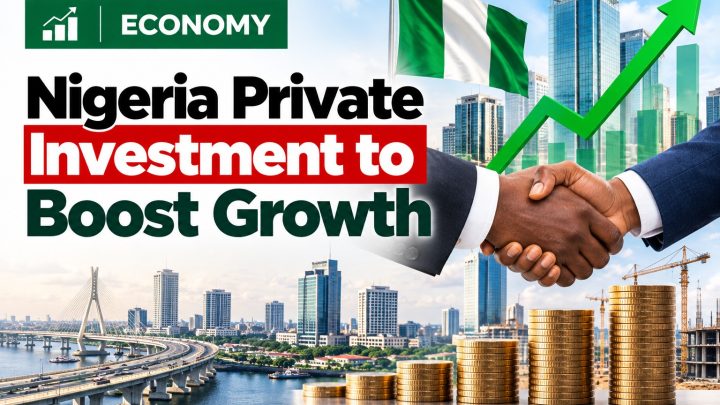
The Nigeria growth forecast from the World Bank projects average annual economic growth of 4.4% between 2026 and 2028. The bank says Nigeria can achieve this target if the government sustains economic reforms, improves public services and creates better conditions for businesses. The outlook also points to possible reductions in inflation and poverty if policymakers maintain these efforts.
The projection appears in the bank’s latest Nigeria Development Update, presented on October 8, 2026. The report highlights signs of economic recovery but stresses that Nigeria must maintain its reform efforts to achieve lasting progress.
Nigeria’s economy grew by 4.2% in the first half of 2026, compared with 3.9% in 2025. The services and agriculture sectors contributed significantly to the expansion.

Nigeria Growth Forecast Points to Lower Inflation
The World Bank expects inflation to gradually fall to around 12% by 2028, from approximately 15% in 2026. It also projects a gradual decline in poverty if the government maintains its current reform direction.
However, economic growth does not automatically improve living standards for every Nigerian. Rising food prices, transport costs and other household expenses continue to put pressure on many families.
The bank therefore emphasised the need to translate economic progress into better living conditions. Creating jobs, improving access to essential services and supporting private-sector investment will be important to achieving that goal.
Lower inflation could help households manage their expenses. However, the actual impact will depend on how prices change and whether incomes keep pace with the cost of living.
World Bank Urges Better Use of State Revenues
The report also highlighted an increase in revenue available to state governments. Higher revenues provide states with more opportunities to invest in infrastructure, education, healthcare and other essential services.
According to the World Bank, state revenues rose by about 93% in real terms between 2023 and 2025. The increase followed economic changes, including petrol subsidy removal, exchange-rate reforms and improvements in revenue collection.
However, higher revenue alone will not guarantee better public services. State governments must spend funds efficiently, strengthen accountability and prioritise projects that benefit residents.
The World Bank said sustained reforms and improved public service delivery would remain essential to Nigeria’s economic outlook. It also stressed the importance of private-sector-led growth and job creation.
Although the 4.4% forecast offers a positive outlook, several challenges remain. The government must sustain economic stability and ensure that growth creates more opportunities for Nigerians.
Ultimately, the success of the forecast will depend on effective policy implementation and how well economic gains translate into improved living standards.