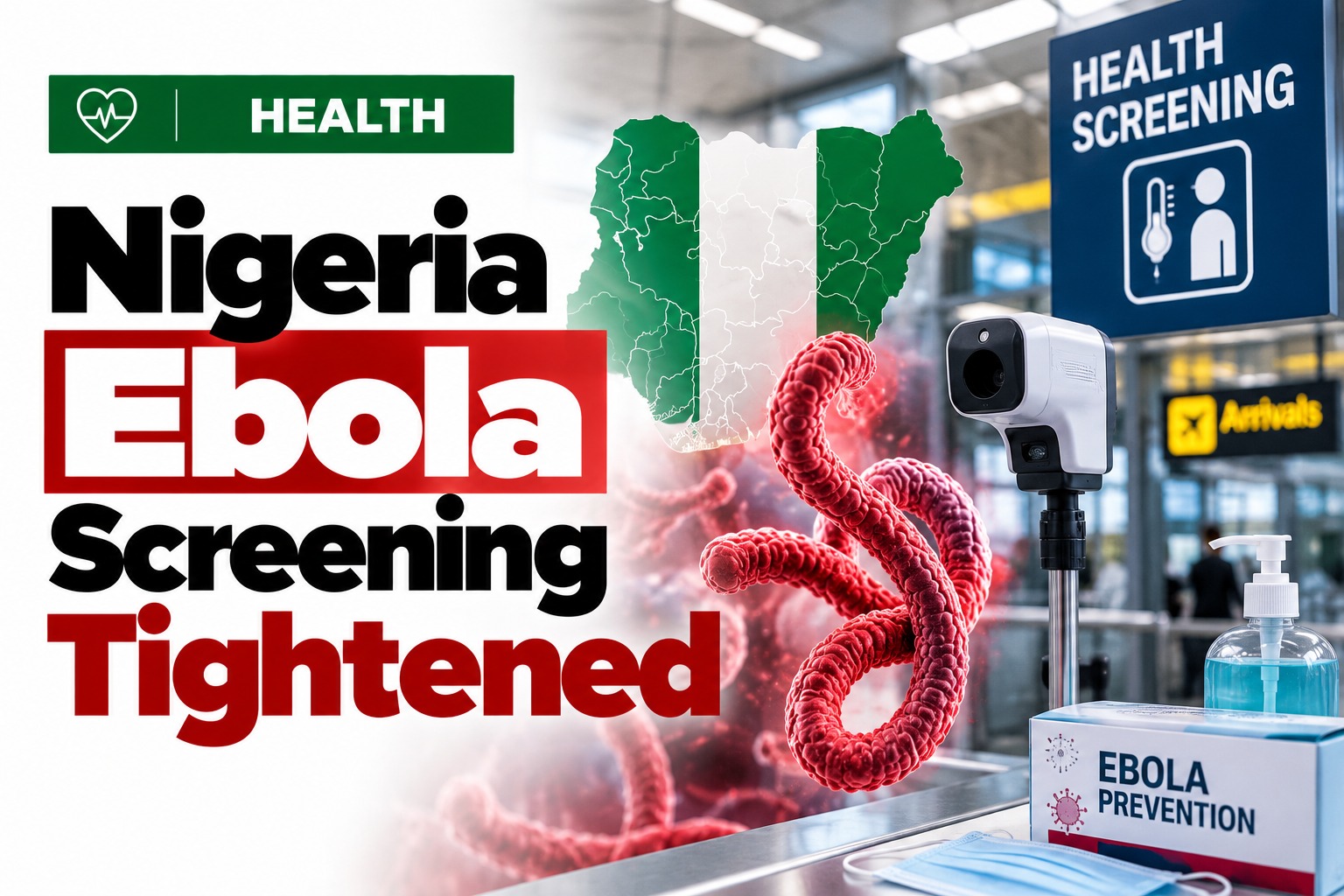
Nigeria Ebola screening has come under closer scrutiny after the Federal Government ordered stricter checks and surveillance at the country’s entry points. The directive follows concerns about reported breaches of approved health protocols as authorities respond to a confirmed Ebola case in Abuja.
The Federal Ministry of Health and Social Welfare issued the directive in a circular dated October 22, 2026. It followed concerns raised by the Office of the National Security Adviser over reported non-compliance with existing Ebola entry requirements.

Nigeria Ebola Screening Rules Tightened
The ministry directed relevant ministries, departments, agencies and health institutions to enforce screening procedures, health declarations and surveillance measures at designated entry points.
It also called for better coordination and information-sharing among agencies responsible for implementing the protocols. Officials must promptly document and report any actual or attempted breaches through established channels.
The government further urged authorities to support screening personnel and establish monitoring mechanisms to ensure continued compliance. The government stressed that agencies must allow officials to perform their duties professionally and without interference.
The directive comes amid concerns about gaps in screening and preparedness. Strengthening these measures could help authorities identify potential infections earlier and respond quickly to public health threats.
Nigeria Monitors Contacts After Confirmed Abuja Case
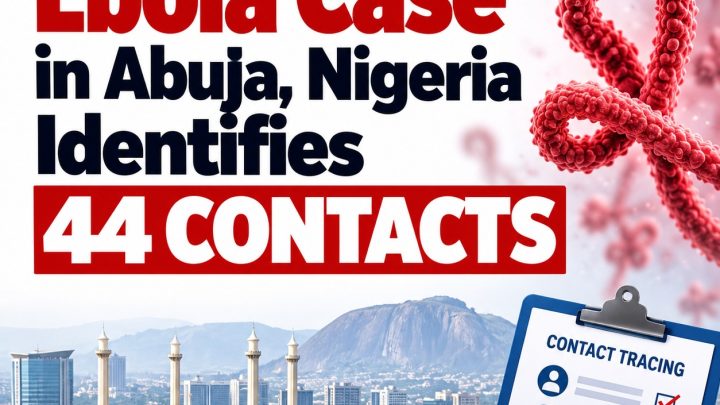
Nigeria confirmed one imported case of Ebola Bundibugyo virus disease in the Federal Capital Territory on October 20. According to the World Health Organization, the patient is a woman who recently travelled from Uganda. She is receiving medical care in isolation.
Health authorities initially identified 44 contacts linked to the case and began monitoring people who may have been exposed. Some contacts have tested negative, while results for others were still pending in the government’s latest update on October 23.
However, being identified as a contact does not mean a person has contracted Ebola. Authorities must complete their investigations and monitoring before drawing further conclusions.
The government has also strengthened surveillance, laboratory capacity and infection prevention measures as part of its response.
Ebola spreads through direct contact with the blood or other bodily fluids of an infected person who is experiencing symptoms. Prompt identification, isolation and contact tracing remain important in limiting transmission.
The Federal Government has urged healthcare facilities to remain alert and follow official reporting procedures. Nigerians should rely on updates from recognised health authorities and avoid spreading unverified claims about the disease.
Strict enforcement of entry protocols, alongside effective contact tracing, will remain essential as Nigeria works to prevent further transmission.