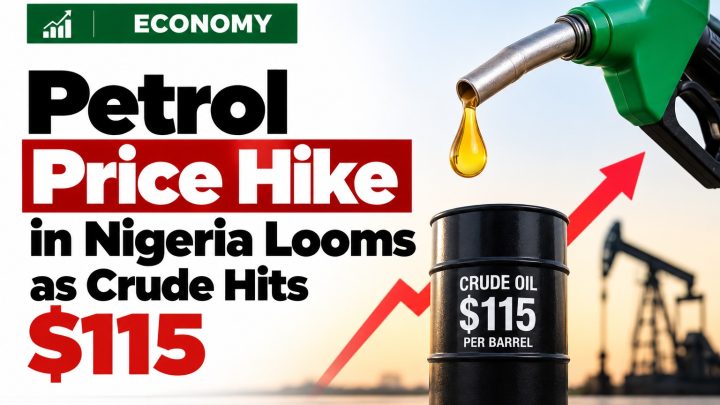
Global oil prices climbed by about 4% on Thursday, October 8, as renewed tensions in the Middle East and weather-related production cuts in the United States raised concerns about supply disruptions. The increase pushed Brent crude above $104 per barrel, while US West Texas Intermediate (WTI) crude also recorded significant gains. However, prices eased slightly on Friday as investors assessed diplomatic developments between Washington and Tehran. the Thursday price movement.

Middle East Tensions Raise Supply Concerns
Fears of further disruptions to oil shipments contributed to Thursday’s rally. Traders grew concerned about attacks on vessels in the Gulf and the Strait of Hormuz, a major route for international oil supplies.
The ongoing conflict involving Iran has increased uncertainty across energy markets. Any prolonged disruption to shipments through the strait could restrict the amount of crude reaching international buyers and push prices higher.
Brent crude futures settled at $104.28 per barrel on Thursday, gaining $4.08, or 4.1%. Meanwhile, WTI crude rose by $3.21 to close at $91.49 per barrel.
However, prices retreated slightly on Friday after US President Donald Trump said Washington was holding productive discussions with Iran. His comments eased some concerns about an immediate military escalation, although uncertainty over regional oil supplies remained.
US Hurricane Threatens Oil Production
Weather conditions in the United States also contributed to the price increase. Hurricane Isaias approached the Gulf of Mexico, prompting energy companies to suspend offshore operations as a precaution.
According to Reuters, producers had shut down about 1.3 million barrels of daily oil output in the US Gulf of Mexico by Thursday. The disruption added pressure to an already uncertain supply outlook.
The storm’s impact will depend on its progress and how quickly companies can safely resume production. Until operations return to normal, reduced output could continue to influence market prices.
Higher Oil Prices Could Increase Inflation
Rising crude prices could increase transportation, manufacturing and energy costs worldwide. Businesses may pass some of these expenses to consumers, adding to inflationary pressure.
For Nigeria, higher international oil prices could affect petroleum costs and transport fares. However, local petrol prices also depend on exchange rates, refining costs, distribution expenses and domestic market conditions.
Traders will continue monitoring developments in the Middle East and the US Gulf Coast. Any further supply disruptions could keep oil prices volatile, while progress in diplomatic talks could help ease market concerns.