


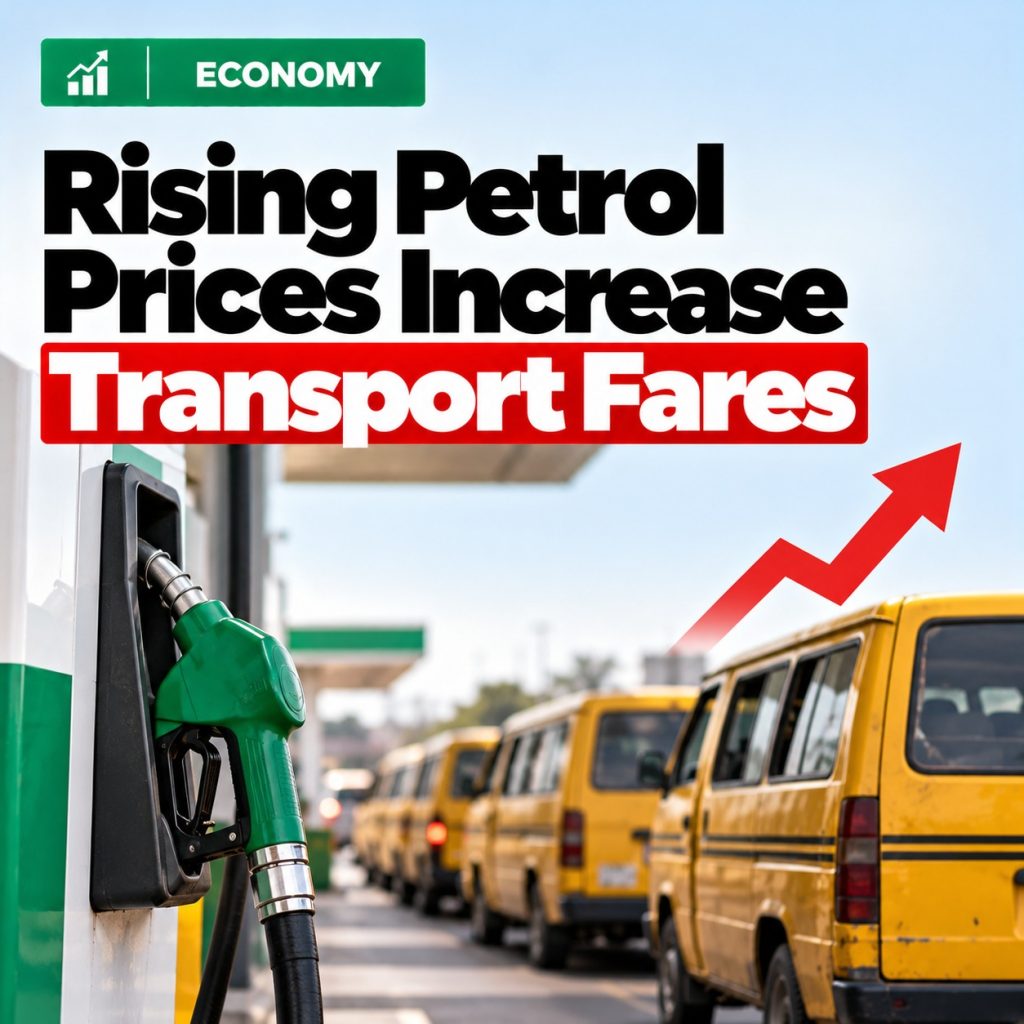
Rising petrol prices are forcing transport operators across Nigeria to increase fares, placing additional pressure on commuters and households already struggling with the high cost of living. The development is also affecting food distribution, as higher transportation expenses make it more expensive to move agricultural produce from farms to markets.
Reports on October 19 highlight the connection between transportation costs and rising food prices, despite the harvest season. Meanwhile, commuters in different locations continue to face higher fares as petrol prices vary across filling stations.


Rising Petrol Prices Increase Commuters’ Expenses
Commercial drivers depend heavily on petrol to keep their vehicles running. When fuel prices rise, many operators adjust their fares to cover their daily expenses and maintain their businesses.
These increases affect workers, students, traders and other Nigerians who rely on public transportation. People who travel daily must now spend more money on buses, taxis and other commercial vehicles.
For low-income earners, the additional expense can reduce the money available for food, rent, school fees and other essential needs. Some commuters may also have to change their travel plans or reduce non-essential journeys to manage their budgets.
However, transport fares do not depend on petrol prices alone. Vehicle maintenance, spare parts, traffic conditions and route distance can also influence what passengers pay.
Higher Transport Costs Affect Food Prices
The impact of rising petrol prices extends beyond public transportation. Farmers and food distributors depend on vehicles to move produce from rural communities to urban markets. When fuel becomes more expensive, the cost of transporting these goods can increase.
According to reports, the President of the All Farmers Association of Nigeria, Mohammed Magaji, linked higher transportation costs to rising food prices despite the harvest season.
Although harvests can increase food supplies, consumers may not experience immediate price reductions. Distribution expenses and other market challenges can limit the benefits of increased production.
Traders may also transfer some transportation costs to consumers, making essential food items more expensive. This creates further difficulties for households already dealing with rising living expenses.
Nigerians Face Continued Cost-of-Living Pressure
The continued rise in transport and food costs highlights the financial challenges facing many Nigerian households. Even small fare increases can affect people who depend on daily wages or have limited disposable income.
Reducing transportation expenses could help ease pressure on commuters and food distributors. However, meaningful relief will depend on fuel prices, operating costs and the efficiency of food supply chains.
For now, Nigerians continue to manage the effects of rising petrol prices on their daily journeys and household budgets.

